Aug 25, 2026
Your Project Timeline Is Only as Realistic as Your Resource Capacity
Most teams build a project plan and then figure out who's going to do the work. That order of operations is backwards. And it's one of the biggest reasons projects run late even when they were planned carefully.

Here's how most project timelines get built. A project manager scopes the work, estimates the tasks, and maps out a schedule based on how long things should take. Then they assign people. And if the people they need happen to be available at the right times, the plan holds. If they're not, the plan quietly breaks, and nobody updates the timeline to reflect it.
This is the resource capacity problem; not poor planning, but a disconnect between the timeline and the people available to deliver it.
Capacity Is an Afterthought in Most Project Systems
In most project management tools, resources and timelines live in separate places. You build the plan in one view. You track who's working on what in another. And the connection between the two is made manually, by the project manager, at the time of assignment.
The problem with that design is that it treats capacity as a check at the end of the planning process rather than an input to it. The timeline gets built first, based on task durations and dependencies. Then you look at who's available. And when the answer is "not fully," the timeline usually doesn't change. The person gets assigned anyway, optimistically, and the plan carries a hidden assumption that rarely gets stated out loud: that this person will somehow make it work.
Sometimes they do. Often they don't, and the project runs late in the exact way the resource data predicted it would.
What Should Actually Happen
A resource-aware project plan isn't just one where resources are assigned. It's one where resource availability directly shapes the delivery forecast from the beginning.
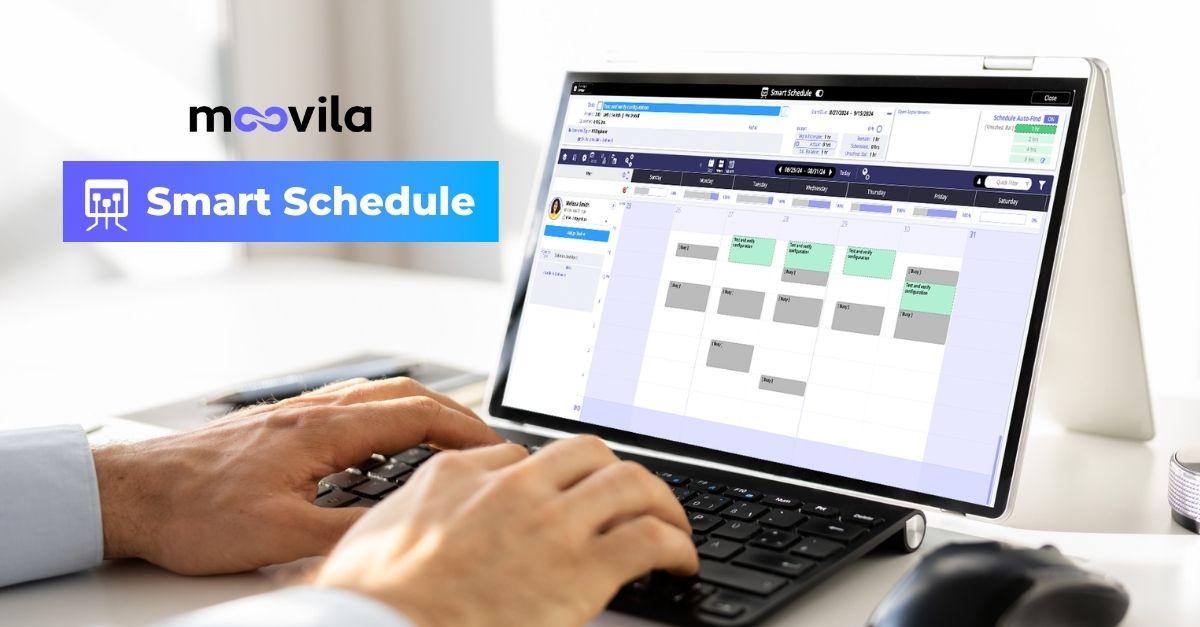
If a key contributor is committed to another project for the first three weeks of your timeline, the delivery date should reflect that constraint automatically. If someone's capacity is split 60/40 between two workstreams, the tasks assigned to them should be scheduled based on the hours they actually have, not the hours you wish they had. And if someone is added to or removed from a project mid-stream, the timeline should update to reflect the change without requiring the project manager to manually recalculate everything downstream.
This is what it means for resource capacity to drive the timeline, rather than the other way around.
Why This Matters More Than It Sounds
The gap between "resources assigned" and "capacity reflected in the plan" is where a significant amount of project delay originates.
When a plan is built on idealized availability, the schedule is optimistic from day one. The first time a resource can't deliver on the timeline because of competing commitments, the project is already behind. And because the capacity constraint was never surfaced explicitly, the recovery plan usually involves the same optimistic assumption: this person will catch up, or someone else will absorb the extra work.
This is how projects that were planned carefully still run late. Not because the planning was wrong, but because the planning never incorporated the one variable that has the most direct effect on delivery: whether the people doing the work actually have the time to do it.
The Compounding Problem Across a Portfolio
At the project level, this is a manageable problem. A single experienced project manager can often track capacity constraints informally and adjust on the fly.
At the portfolio level, it becomes unmanageable quickly. When ten or twenty projects are drawing from the same pool of resources, informal capacity tracking breaks down. The same person ends up committed to four projects simultaneously because nobody had a system-level view of what they were already carrying. Dependencies between projects compound the problem: when one project slips because of a resource conflict, the downstream projects that depend on its outputs slip too.
The organizations that manage large project portfolios well have found a way to make capacity a first-class input to planning, not an afterthought. When a resource becomes unavailable, every project that person is assigned to gets updated. When two projects compete for the same critical contributor, the conflict is visible before it creates a delay. And when a new project is being scoped, the capacity data tells you whether the team can actually take it on before you commit to a date.
A Different Way to Think About Project Planning
The conventional approach to project planning asks: given these tasks and these deadlines, how do we assign people to get it done?
The better question is: given our actual resource capacity, what can we realistically commit to?
When capacity is an input to the plan rather than an afterthought, delivery forecasts are more accurate, surprises are less frequent, and the conversations you have with stakeholders about timelines are grounded in something real. That's a meaningfully different project management experience, for the team and for everyone who depends on their work.
Learn more about how Moovila builds resource capacity directly into project planning and delivery forecasting.
Real-Time Resourcing